
Nano-sulfur what is it ?
Nano-sulfur particles are 10000 times smaller (20nm) than traditional micronized sulfur. When applied to the soil before sowing or during irrigation, they penetrate plant cells and eliminate fungi. They regulate soil pH in 3 to 4 weeks, compared with 4 to 6 months for conventional sulfur.
Effects and benefits of nano-sulfur
- Accelerates photosynthesis by 8-10 times, increasing initial plant growth rate.
- Increases protein quantity and quality in wheat and beans, by accelerating nodule formation.
- Increases oil content in oilseed plants.
- Converts nitrates into protein nitrogen.
- Protects plants against fungi.
- Promotes plant growth and improves yields.
- Extends fruit and vegetable shelf life.
- Regulates soil pH.
- Removes heavy metals from the soil.

Purpose and impact of nano-sulfur
- A pH-balanced soil promotes better microflora, higher productivity and superior crop quality.
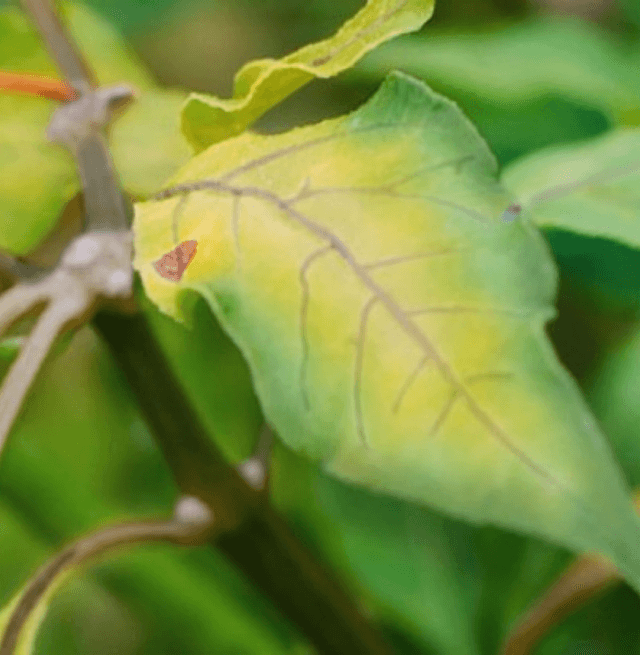
- Sulfur is considered the 4th most important macro-nutrient after nitrogen, phosphorus and calcium. Sulfur deficiency turns leaves yellow and reduces photosynthesis by up to 40%, leading to a loss of protein and an increase in nitrates.
- Sulfur plays a key role in the synthesis of amino acids, DNA and RNA.
- Nano-sulfur is 20 to 30 times more effective than conventional types.
- It's an economical, high-performance solution.
How to use nano-sulfur
| Name | When | Quantity required |
|---|---|---|
 Wheat | Before sowing or just after germination. | 2l/ha in aqueous solution |
 Corn and other crops | Just before the last intervention in the crop. Second application towards the end. | 2l/ha |
 Technical crops | Before or just after sowing, by tracing the rows. | 2l/ha in aqueous solution |
 Leguminous plants | Before sowing or just after emergence. | During nodule formation 2-3l/ha in aqueous solution |
 Vegetables from nurseries | By drip or manual irrigation. | 2l/ha |
 Vineyards | After harvest or in early spring before bud break During the growing season: before/after flowering + 2-3 treatments every 7-10 days, depending on the weather. At the beginning of the fruit ripening phase | 2-3l/ha 2l/ha |
 Fruit trees | After harvest or in early spring before bud break During the season: before/after flowering + 15 days after flowering + during fruit growth. | 2-3l/ha |
 Tuberous plants | Before sowing and flowering or tuber formation In case of pump obstruction: add up to 2% glycerine to the solution. | 2-3l/ha |
 Flowers (gardens, houses, parks) | By irrigation. | 2l/ha |
 Strawberries | By drip or other means. | 2l/ha |
 Watermelons, melons, cucumbers | By irrigation. | 2l/ha |
 Perennials, alfalfa, pastures | Drip or other. | 2l/ha |